The syllabus, week by week.

Each lesson is a short read with exercises after it, and harder ideas come with a simulator. A timed checkpoint closes each week, and a tutor marks a short written answer.

0weeks
0lessons
0exercises
0checkpoints

All the examples use real prices from the ZSE and the VFEX. You need 80 percent in the exercises to pass.

Week 1

The market

What owning a share means and what it costs to buy shares on the ZSE or the VFEX.

Harare's central business district

Try it

What a round trip costs

US$41

A share is a piece of a company that pays you dividends and gives you a vote. You see how shares first reach the market and how they change hands after that. You also meet SECZim, which regulates the market, and the brokers who place orders for you.

The ZSE trades in ZWG cents and the VFEX trades in US dollars. You follow a trading day from the 09:00 pre-open to the 13:00 close and learn why a trade settles two days later. You also learn what an index shows and where it falls short.

You see how an account is opened and how your order is matched with a seller. You work out the dealing costs on each exchange and how far a share must rise before you get your money back. You also learn how dividends are taxed.

A timed checkpoint on the week's lessons. You need 80 percent to move on.

Written task. Explain to a friend how to buy their first shares and what it costs.

Week 2

The company

How to read a company's results and judge whether its share price is fair.

Two students reading a set of results together

Try it

Cheap or dear?

P/E 12.0

You learn how profit becomes earnings per share and where the dividend comes from. You read interim and annual results and see what an auditor's opinion means. Inflation accounting and the reporting currency both change the numbers, and you learn how to read through them.

You learn the price-to-earnings ratio and the dividend yield, and what a high or low number can mean. You compare a company with its own past and with similar companies. A simulator lets you move the price and watch the ratios change.

Companies publish results and notices through the year. You learn which of them move a share and when each usually arrives.

A timed checkpoint on the week's lessons. You need 80 percent to move on.

Written task. Work out a share's ratios from given figures and judge whether it looks cheap or dear.

Week 3

The price

Why prices rise and fall, and how the exchange rate changes what a gain is really worth.

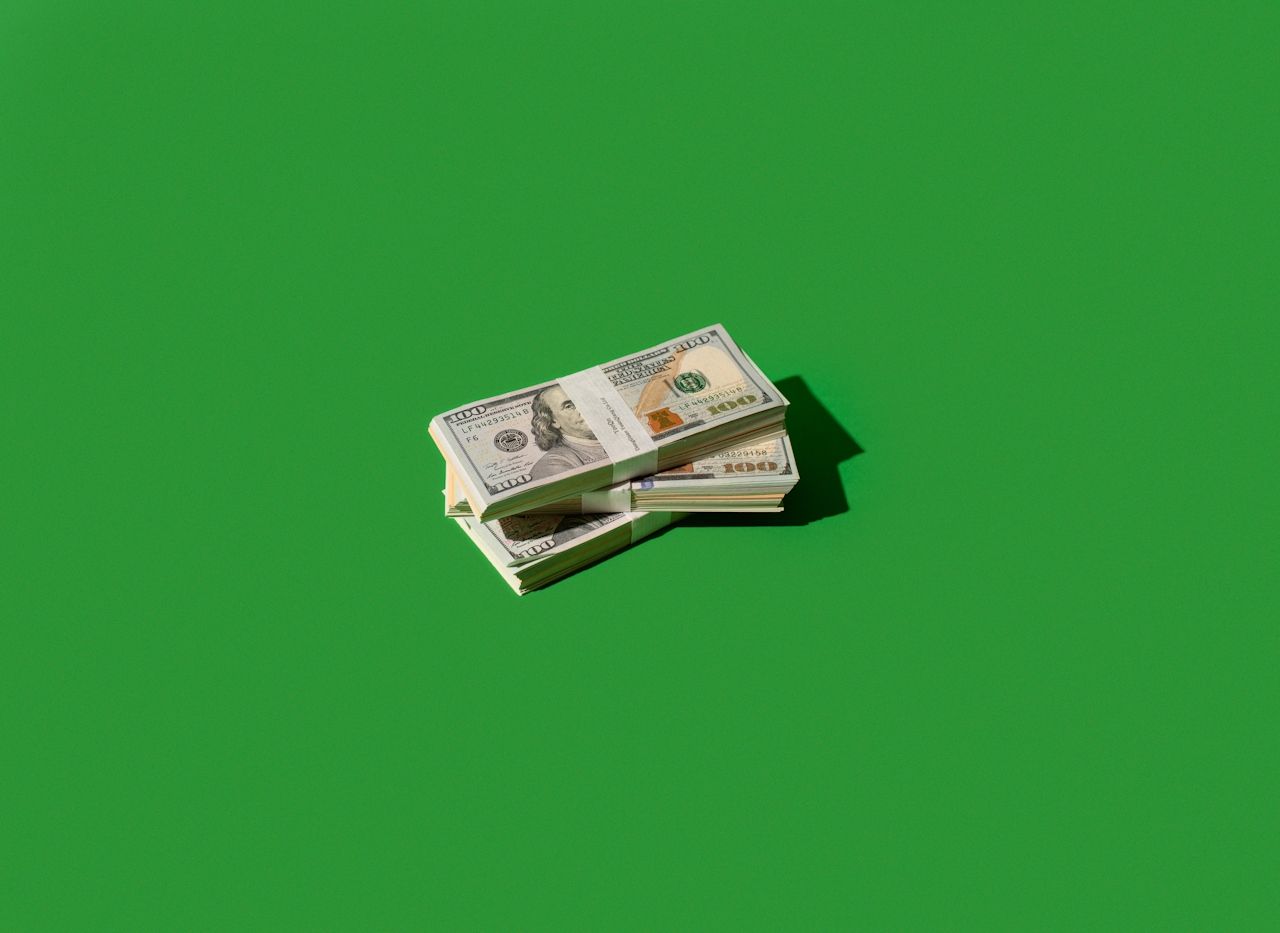
US dollar notes on a green cloth

Try it

A ZWG gain in dollars

−4.0%

A price moves when buyers and sellers disagree, and a few trades can move it a long way. You learn why thin trading matters so much on the ZSE and how to read value traded and market capitalisation.

You see how a gain in ZWG becomes a return in US dollars, which is why the League scores in dollars. You also learn how inflation eats into a return and why a share has to beat what a bank pays in interest.

Results and policy can both change what a company is worth. You learn to tell a signal from noise, and why good news can still send a share down when buyers already expected it.

A stadium of coin-flippers shows how a run of luck can look exactly like skill. A fifteen-day trading game with real dealing costs shows what restless trading costs you. A short self-assessment then tells you how much risk you can live with.

A timed checkpoint on the week's lessons. You need 80 percent to move on.

Written task. Explain a day's ZWG rise and currency fall to a classmate in US dollar terms.

Week 4

The portfolio

How to build your first League portfolio and spread your money so a mistake costs less.

Power lines at sunset

Try it

One bad pick

−12.5%

Saving a small amount each month matters more than picking well. A compounding simulator shows what that amount grows into over the years, and what starting late costs.

You see what a bad pick costs at different weights. Spreading money across sectors protects you more than owning many names, and sometimes holding cash is the right choice.

The League keeps each holding between 5 and 25 percent, and you learn why. A simulator shows what a restless year of changes does to a portfolio. You also decide in advance what would make you sell.

You get US$100,000 of virtual money to spread across five to fifteen companies. Picks lock at 09:30, and the League scores you in US dollars after each close. A portfolio builder checks your picks against the rules, and your choices become the start of your written answer.

A timed checkpoint on the whole course. Pass it to earn the certificate.

Written task. Write a short note that explains your first portfolio, including its biggest holding and a risk you chose to take.

What you can do when you finish

Pass the lessons and checkpoints to earn the Mosi Academy certificate. It carries a credential ID that anyone can check at academy.mosimarket.com/verify, and MosiMarket issues it. It is not a government or university qualification, and nothing in the course is investment advice.

Opens soon. Sign up now.

The course takes about an hour a week, and signing up gives you a MosiMarket account.